


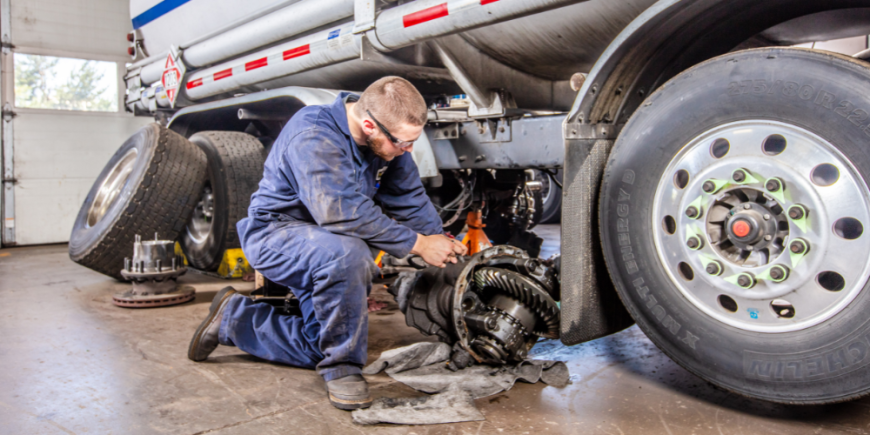
Downtime is more than an operational inconvenience. It is a direct hit to the margin and customer trust. Papé Kenworth is built to minimize those losses with an always-on service model, rapid parts access, and a large regional footprint, so hours saved translate into profits protected. Papé Kenworth commits to supporting your uptime around the clock and operates across Alaska, Washington, Oregon, California, and Nevada.
The Hidden Line Items of Downtime
The repair invoice is just one piece of the overall cost. Fleets feel the bigger impact through missed delivery windows, drivers being paid while equipment sits, rescheduled appointments, temperature-sensitive spoilage, and extra fuel burned on detours. Congestion penalties add even more pressure. According to the American Transportation Research Institute (ATRI), congestion alone cost the trucking industry $94.6 billion in 2021 — a powerful reminder of how quickly one breakdown can ripple through an entire operation.
If your true all-in operating cost is about $91 per hour, a 10-hour delay is roughly $910 before detention and opportunity cost. Layer in a missed delivery fee plus a pushed backhaul and the single incident becomes a multi-line loss. In tight markets, those carry-through effects show up as lost customers by quarter’s end.
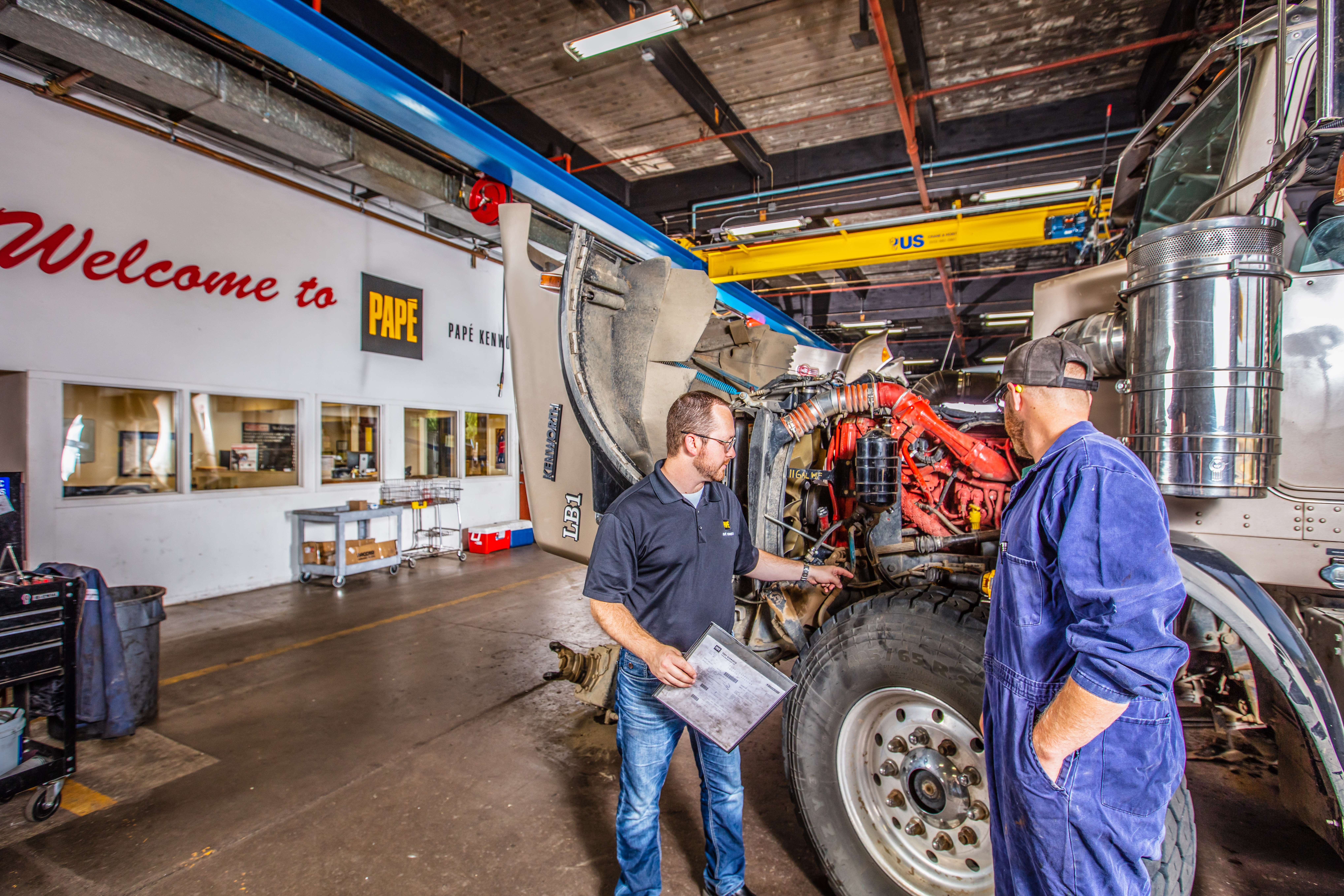
What 24/7 Service Means at Papé Kenworth
Papé Kenworth offers after-hours availability, roadside triage, and fast escalation through Kenworth PremierCare Roadside Assistance, which is staffed 24 hours a day, 365 days a year to connect drivers with help anywhere in North America. That escalation is paired with TruckTech+ remote diagnostics to identify faults and pre-stage work before a truck hits the bay.
The result is a faster, more efficient workflow—from the moment a customer calls, to pulling the right parts, to getting a technician assigned. Quicker triage leads to a shorter mean time to repair, which boosts asset utilization and reduces dwell time. When every hour of downtime costs real money, that level of integrated support matters far more than what’s written on paper.
Coverage Aligned with Freight Corridors
Coverage only helps if it maps to where you actually run. Papé Kenworth operates at 30 locations across the western U.S., giving fleets access along key Western freight lanes such as I-5, CA-99, and I-80, plus critical PNW connectors. Hubs like Portland, Fresno, and Bakersfield, Sparks in Northern Nevada, and Anchorage extend support to high-traffic basins and specialized markets. That geographic spread reduces deadhead to service, lets dispatch reassign faster, and helps drivers get rolling again with minimal disruption to the rest of the day’s plan.
Parts When and Where You Need Them
First-visit fixes depend on having the right part at the right moment. Papé Kenworth stocks OEM components and supports TRP all-makes coverage to keep mixed fleets moving. Inventory depth and after-hours access language on the parts pages show a clear intent: reduce downtime by pulling what you need without waiting on next-day shipments. That part's velocity matters because every backorder stretches dwell time and increases your risk of missing revenue windows downstream.
Service Depth: From Preventive Maintenance to Complex Repairs
Papé Kenworth service teams support preventive maintenance, diagnostics, and complex repairs for all makes and models, with body and collision capabilities at select branches plus 24/7 emergency services. State-of-the-art diagnostic tooling and TruckTech+ data help technicians move from fault to fix with precision. The depth allows fleets to consolidate more of their service book with a single partner, simplifying authorization and accelerating decision cycles on repair versus replace.
How Fleets Can Operationalize the Papé Kenworth Network
A 24/7 network becomes a significant uptime advantage when it’s embedded in your daily playbook.
- Route-to-Dealer Mapping: Align routes with the nearest Papé Kenworth locations for each leg so drivers know the quickest service option by corridor. Keep the map in your dispatch system.
- Preventive Windows: Schedule preventative maintenance at off-peak dwell points near branches to avoid stealing prime revenue hours. Coordinating around driver HOS creates a maintenance rhythm that keeps units productive.
- Parts Pre-Positioning: Collaborate with our parts teams to stage common SKUs for your spec and season. Aftermarket all-makes coverage and OEM stock increase first-pass repair rates and reduce repeat visits.
- Escalation Protocol: Use PremierCare as the first escalation line, feed in TruckTech+ codes, and maintain a clear call tree so dispatch sees ETAs and can reassign loads quickly. The clarity shrinks uncertainty windows that frustrate shippers and drivers alike.
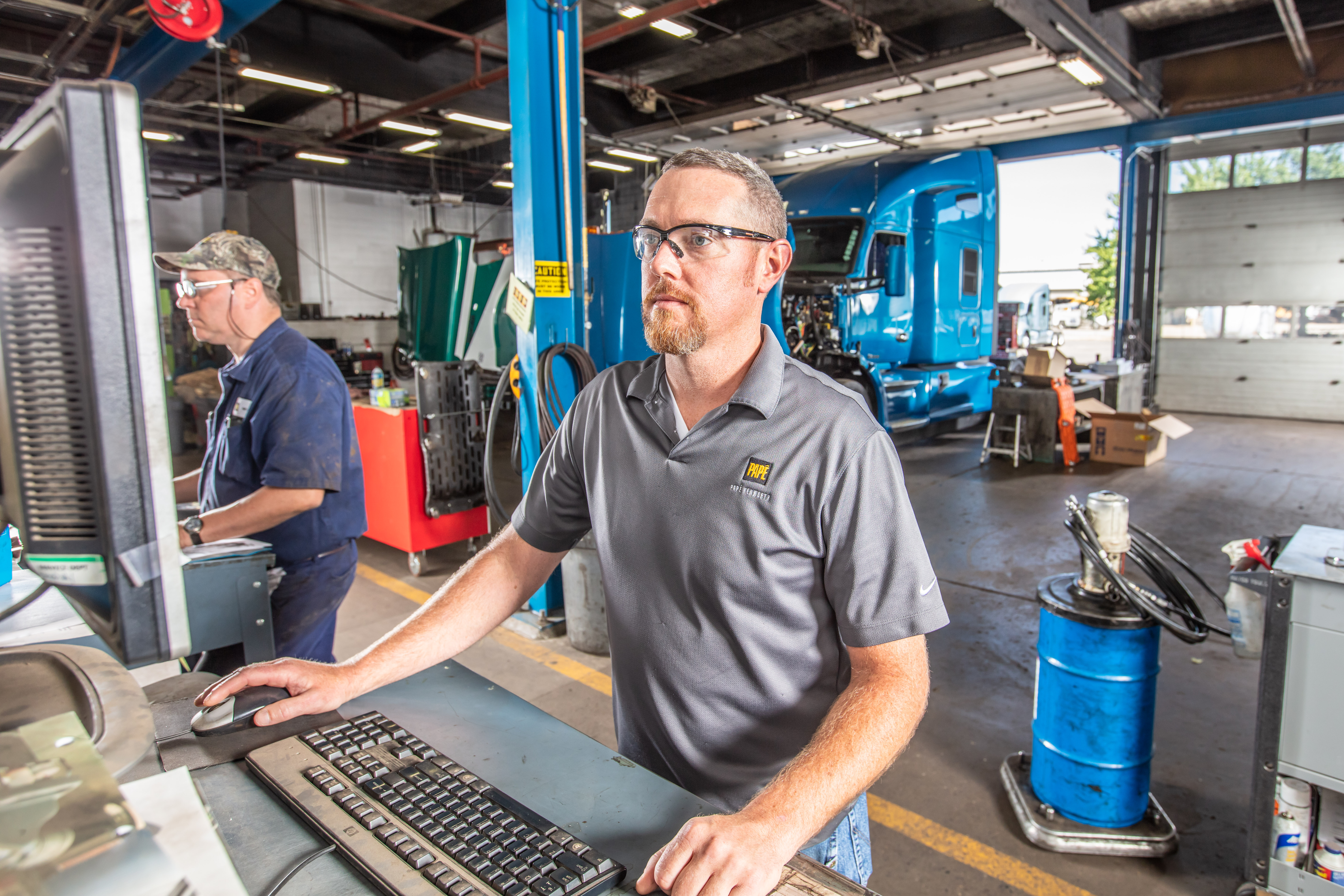
Maximize Uptime and Revenue
Industry data shows operating costs remain elevated. ATRI reports that the total cost per mile hit $2.27 in 2023, and repair and maintenance costs climbed year over year. In a cost environment like this, shrinking delay minutes matters more than ever. When your vendor network can verify faults remotely, route you to the closest open bay, and pull parts after hours, you preserve margin that would otherwise leak away in the yard or at the shoulder.
If uptime is your top priority, get in touch with our knowledgeable team today so we can help you build a plan to keep your fleet moving.


