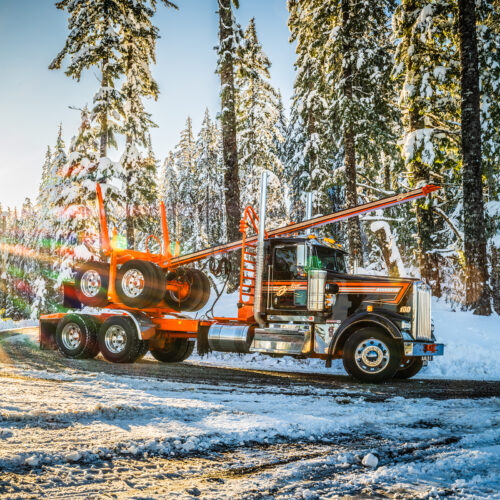




A spring day of driving can start with cold, damp air at sunrise, climb into a windy mountain pass by mid-morning, and finish in warmer stop-and-go traffic before the day is done. Those shifting conditions make spring a tricky season for fuel efficiency. While roads may be clearer than in winter, fuel economy can still take a hit from headwinds, rain, elevation changes, temperature swings, and traffic slowdowns across western freight corridors. Below, we offer some tips on how to manage these conditions from a fuel efficiency perspective.
Watch the Weather, Not Just the Route
A route plan only tells part of the story in spring. Weather can change resistance, traction, and traffic flow several times during a single trip. Strong headwinds increase aerodynamic drag. Heavy rain adds rolling resistance and can lead to slower traffic, lane changes, and detours. Mountain corridors can also bring quick shifts in temperature and road conditions that affect how a truck performs throughout the day.
That matters across the West, where a single haul may include valley traffic, open interstate wind, and higher elevations before the load is delivered. Building weather checks into pre-trip planning can help drivers anticipate fuel-draining conditions instead of reacting after fuel economy has already dipped.
Smooth Driving Matters Even More on Wet Roads
Spring fuel efficiency often comes down to how much unnecessary correction happens behind the wheel. Wet pavement, gusty conditions, and changing traction can tempt drivers into repeated throttle changes, hard braking, and frequent speed adjustments—all habits that burn additional fuel and increase wear simultaneously. A smoother approach helps preserve both safety and semi-truck fuel economy:
- Accelerate gradually when traffic starts moving
- Leave more following distance to reduce hard braking
- Keep throttle input steady when conditions allow
- Hold a consistent highway speed instead of chasing small fluctuations
- Look farther ahead so lane or traffic changes feel less abrupt
The goal is steady control. In variable spring weather, smoother driving usually means better fuel efficiency and a calmer day in the cab.
Tire Pressure and Rolling Resistance Need a Spring Check
Temperature swings can affect tire pressure more than many operators realize. A tire that looks fine during a cold morning can perform very differently as temperatures warm throughout the day.That extra drag quietly works against fleet fuel savings mile after mile.
Spring roads can create added problems as well. Potholes, rough shoulders, standing water, and debris can all contribute to irregular wear or alignment issues. A truck that is out of alignment or running on poorly maintained tires may lose fuel efficiency gradually enough that the problem goes unnoticed until fuel spend starts climbing. This is one reason spring truck maintenance should include more frequent tire inspections, pressure checks, and a close look at steering and alignment.
Spring Maintenance Is Fuel Efficiency Maintenance
Fuel efficiency is not only a driver habit issue. It is also a maintenance issue. After months of cold-weather operation, spring is a smart time to inspect the systems that influence performance and fuel use every day.
A spring preventive maintenance check should include:
- Air filter inspection
- Fluid level and condition checks
- Tire and alignment review
- Drivetrain and brake inspection
- Cooling system evaluation
- Diagnostic checks for developing performance issues
Small losses in fuel efficiency tend to build slowly. A restricted air filter, alignment problem, or unresolved engine issue may not provoke immediate concern, but each can chip away at fuel efficiency over time.
Don’t Overlook Aerodynamic Drag
Spring winds often magnify a truck’s aerodynamic weaknesses, and those weaknesses can quickly show up in fuel usage, especially on long highway stretches. A quick walkaround can help catch issues before they cost you. Check fairings, mirrors, mud flaps, and other external components that may have shifted. These features are designed for aerodynamics, so the quick inspections are far more than cosmetic; they’re part of protecting on-road performance.
Reduce Idle Time on Cool Spring Mornings
Spring often carries over winter habits, and idling is one of the easiest examples. Cool mornings can lead to longer warm-up routines even when daytime temperatures rise quickly. That extra idle time adds fuel burn without adding miles driven.
Reviewing warm-up practices across the fleet can uncover easy savings. Power management and idle management are key components of an optimization-focused approach, which reinforces how useful it can be to revisit spring operating habits before they become costly.
Use Diagnostics to Catch Problems Early
When fuel efficiency drops, the cause is not always obvious from the driver’s seat. A truck may feel mostly normal while a developing issue is already affecting performance, fuel use, or uptime.
Connected technology like TruckTech+ remote diagnostics can help close that gap, identifying potential issues before they grow into larger service events. For fleets watching fuel spend closely, that early visibility matters. The faster an efficiency problem is spotted, the easier it is to correct before it turns into downtime.
Small Seasonal Adjustments Can Protect Fuel Spend All Spring
Fuel efficiency in spring often comes down to small decisions working together: smarter weather planning, smoother driving, proper tire pressure, consistent maintenance, reduced idle time, and early diagnostics.
Over the course of a season, these small adjustments can significantly improve semi-truck fuel economy, reduce fuel costs, and protect uptime.
When changing spring conditions expose a maintenance issue or fuel efficiency concern, Papé Kenworth is ready to help with OEM parts, experienced service support, and a 24/7 network across the West.