


When your business lives or dies by uptime, every truck decision is critical. For Miles Sand & Gravel, a fifth-generation, family-owned aggregate and ready-mix producer serving the Pacific Northwest since 1943, those decisions show up in tight pour windows, back-to-back loads, and the real cost of a truck sitting still.
Those realities are at the center of Papé Kenworth’s new white paper, which takes a deeper look at how a carefully spec’d Kenworth T880 fleet, combined with after-hours service and reliable parts access, helps Miles protect uptime, support drivers, and plan years ahead. This blog highlights key themes from that story and how they translate into real-world advantages for producers like Miles.
A Partnership Grounded in Uptime
In aggregate and ready-mix work, downtime doesn’t just mean a truck off the road—it means pour windows slipping, crews waiting, and cost per yard climbing. With average operating costs reaching about $2.26 per mile in 2024, every hour lost to unplanned downtime adds up quickly.
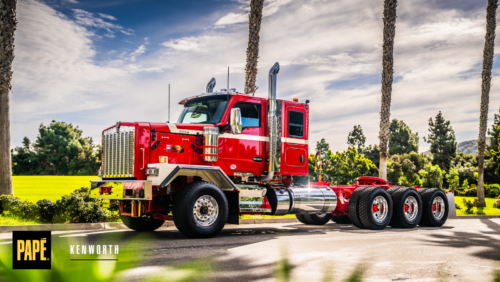
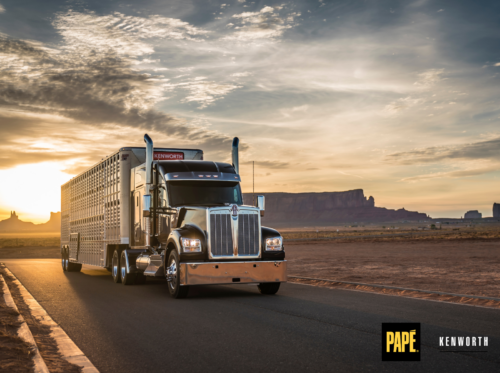
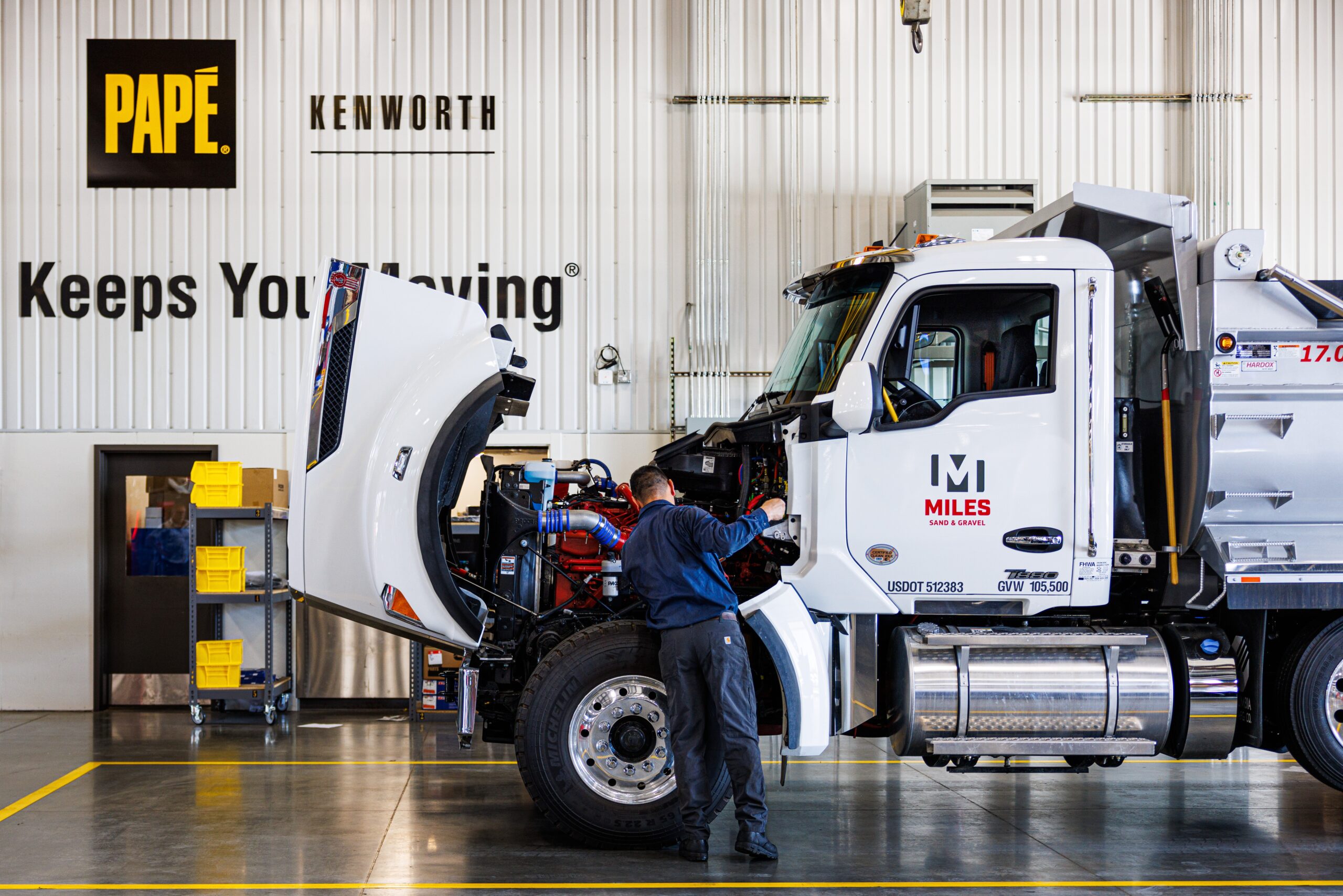
Miles runs a vocational Kenworth fleet anchored by T880 models across Super Dumps, mixers, tractors, and dumps. These trucks work hard: as many loads per day as demand, traffic, and jobsite realities will allow. Approximate fuel consumption highlights the duty cycle:
- Around 6.4 mpg in Super Dump applications
- Roughly 2.5 mpg in mixer duty
- About 5.5 mpg for tractors
- Around 5.0 mpg for dump trucks
In those ranges, avoidable dwell time and inefficient routing show up immediately in fuel spend and cost per yard. That’s why Miles treats uptime as a strategic priority—and why they’ve leaned into a close partnership with Papé Kenworth to protect it.
Spec’ing T880s, Line by Line
For Miles, the partnership begins long before a truck hits the road. Spec decisions are made line by line with a clear view of routes, terrain, payloads, and jobsite constraints.
Cab ergonomics, visibility, insulation, and control layouts also play a role. Trainers at Miles note that quiet, well-laid-out T880 cabs help new drivers get comfortable faster, improving confidence and consistency across the fleet.
Federal Way: A Hub for Uptime
Spec’ing is only half the equation. The other half is what happens when a truck needs attention.
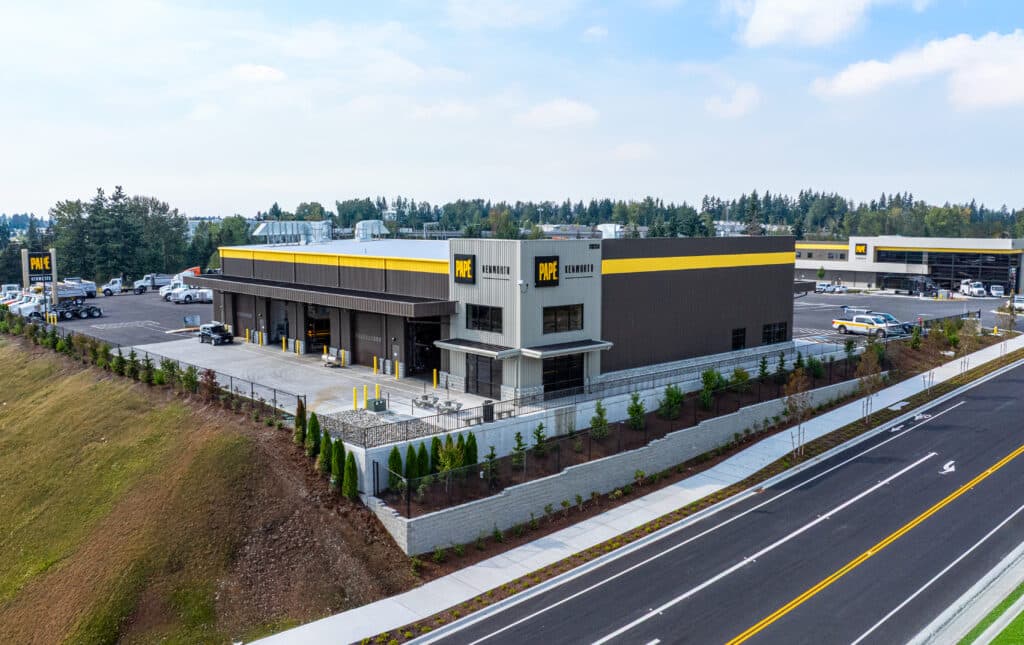
At the new Federal Way Papé Kenworth location, Miles has a service and support hub that’s built around uptime. As highlighted in the white paper, this single, nearby facility helps Miles handle:
- Warranty repairs
- Campaigns and recalls
- PDIs (pre-delivery inspections) on new T880s
- Technical troubleshooting and support
- Emergency repairs when a truck unexpectedly goes down
The Federal Way team also uses PACCAR Solutions Service Management (PSSM) to streamline communication and provide real-time visibility into service progress, helping Miles Sand & Gravel plan around repairs with fewer calls, fewer unknowns, and faster decisions. These outcomes map to broader industry pressures as the cost to operate a truck remains stubbornly elevated.
Just as importantly, Federal Way offers swing-shift service hours, allowing Miles to move much of its maintenance and warranty work into non-production windows. Trucks can come in after hours instead of disrupting the daily schedule, keeping more units available during peak demand.
Parts, Service, and a Dealer That Knows the Duty Cycle
Even the best trucks need parts and repair at some point. What matters is how quickly and reliably that support shows up.
Papé Kenworth’s Federal Way team stocks parts that are directly relevant to Miles’s T880 applications, helping to reduce lead times and minimize the risk of delays. When common components are on the shelf, more repairs can be completed on the first visit, which means fewer repeat trips, less paperwork, and fewer schedule disruptions.
Because Federal Way can handle warranty work, campaigns, recalls, PDIs, technical support, and emergency repairs under one roof, Miles has a streamlined path from “issue identified” to “truck back on the road.” That integrated approach is a big reason the partnership feels less like a vendor relationship and more like an extension of Miles’s own maintenance strategy.

Driver-Preferred Trucks as a Talent Advantage
The white paper also calls out a reality many producers face: even when freight demand is strong, driver availability can be a limiting factor. In surveys of ready-mix producers, driver shortages continue to show up as a major constraint and a source of lost business.
Miles reports that drivers often prefer the Kenworth T880. Papé Kenworth’s focus on driver-centric spec choices like quiet cabs, strong visibility, and logical control layouts directly support Miles’s hiring and retention strategy in a competitive labor market.
Planning Three Years Ahead, Not Three Days
One of the most important themes in the white paper is planning discipline. Instead of reacting to issues and capital needs as they arise, Papé Kenworth and Miles meet regularly to look ahead, sometimes as far as three years out.
With these planning meetings, Miles turns market uncertainty into operational stability. Capital spending, maintenance loads, and fleet composition are managed proactively instead of reactively, which is exactly what producers need in a high-cost, tight-labor environment.
Why This Partnership Works
The story of Miles Sand & Gravel and Papé Kenworth shows how multiple priorities align when the right dealer is in your corner:
- Uptime Protection: After-hours swing-shift service and a nearby facility built to handle warranty work, recalls, PDIs, and emergency repairs keep T880s available for as many loads as the schedule demands.
- Dependable Parts and Service Access: Local parts inventory and experienced technicians who understand vocational duty cycles reduce dwell time and help ensure first-visit fixes.
- Driver Experience and Training: Standardized, driver-preferred T880 cabs that support recruiting and retention.
- Fit-for-Purpose Specifications: Line-by-line spec sessions to match real-world routes and jobsite constraints.
- Multi-Year Planning Discipline: Three-year visibility into fleet needs and lifecycle costs.
Together, these pieces create a competitive advantage that show up in uptime, cost per yard, and workforce stability.
Get the Full Story in the New White Paper
Miles Sand & Gravel’s experience is one example of how a service-first dealer relationship can keep a high-demand operation on schedule and on budget. To dive deeper into fuel efficiency benchmarks, industry context, and the planning strategies behind this partnership, download the new white paper.