


For aggregate and ready-mix producers, uptime is one of the clearest indicators of operational health. Trucks in the shop and delayed repairs can tighten already demanding schedules.
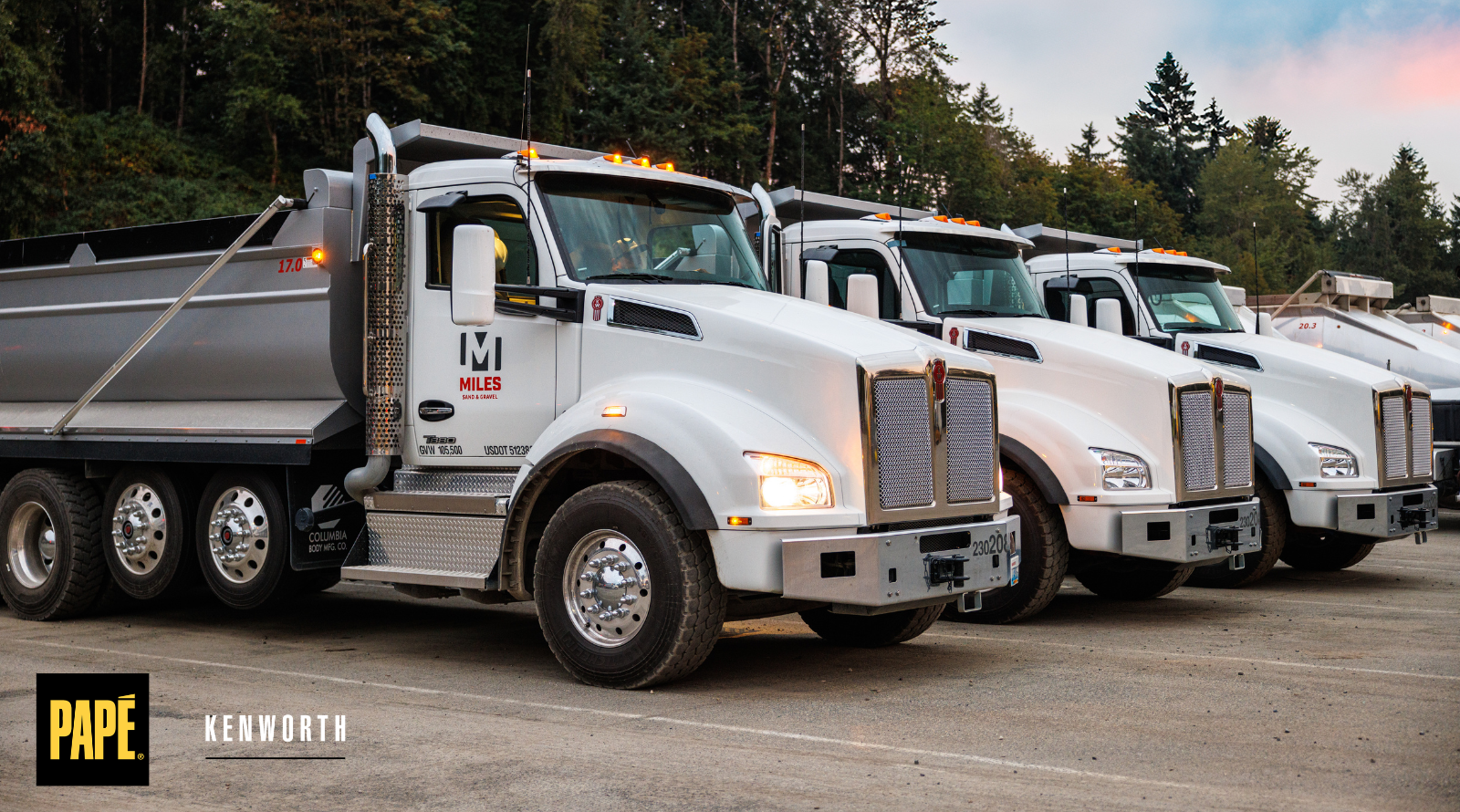
Miles Sand & Gravel, a fifth-generation Pacific Northwest supplier, runs a vocational Kenworth fleet centered on the T880 across mixers, Super Dumps, tractors, and dump trucks. Their experience highlights a challenge that many producers know well: every truck earns its place in the fleet every day through reliability, fit, and uptime.
See how custom-spec’d Kenworth T880 trucks, reliable service support, and a long-term planning strategy help maximize uptime, improve driver satisfaction, and keep operations moving day in and day out for Miles Sand & Gravel.
Building Performance Before the Truck Hits the Road
One of the clearest lessons here is that fleet performance begins long before a truck reaches the jobsite.
The Kenworth T880 is built for demanding vocational work, which makes it a strong fit for aggregate and ready-mix applications. In these environments, trucks face stop-start cycles, site access constraints, heavy payload demands, and tight scheduling windows.
Line-by-line spec collaboration supports repeatable configurations that match the real work being performed. That kind of standardization can create value across the operation:
- More consistent driver training
- Easier transitions between truck types
- Better technician familiarity
- More predictable maintenance planning
Those benefits may begin with equipment selection, but they continue to shape daily operations long after delivery.

Why Service Planning Matters More Than Many Fleets Realize
Truck specs are only part of the picture. Service planning deserves just as much attention.
At Papé Kenworth, support includes parts, service, body shop capabilities, and extended weekday hours that create more flexibility for busy vocational fleets. That kind of schedule helps shift certain repair and maintenance events away from the hours when trucks are needed most.
For aggregate and ready-mix operations, that matters. A strong support model helps teams:
- Keep more trucks available during peak demand
- Reduce disruption to dispatch and scheduling
- Improve turnaround on routine and urgent service work
- Create better visibility into repair progress
When a fleet is moving multiple loads per day, those gains can add up quickly.
Driver Experience Is an Operational Issue
Driver comfort and experience play a bigger role in operational efficiency than many people realize. In vocational work, the cab is more than a place to hang out between stops. It affects visibility, control, fatigue, and how quickly a new operator gets comfortable with the truck. A well-matched platform can support smoother onboarding and help create greater consistency across the fleet.
This is part of what stands out in the Miles Sand & Gravel story. Their team reports that drivers often prefer the T880, which supports training and day-to-day continuity. In a labor market where qualified drivers remain hard to find, that kind of familiarity carries real operational value.
Planning Ahead Creates Breathing Room
Another strong takeaway is the importance of planning beyond the next immediate equipment issue.
In demanding industries, reactive decisions can put pressure on budgets, maintenance schedules, and replacement timing. A more deliberate planning cadence helps fleet leaders align truck specs, service expectations, and lifecycle decisions around upcoming work. This approach supports several priorities at once:
- Smoother replacement planning
- Better alignment between fleet mix and job demands
- More confidence around maintenance scheduling
- Fewer surprises tied to service and utilization
Over time, that creates a steadier operating rhythm.
An Example for Vocational Fleets
What makes the Miles Sand & Gravel story so relevant is how clearly it reflects the realities many producers face every day. Tight schedules, demanding applications, fuel pressures, driver challenges, and the constant need to keep trucks productive are all familiar concerns throughout the industry. Those pressures can be addressed through a connected strategy built around:
- Fit-for-purpose specifications
- Consistent fleet configurations
- Responsive parts and service support
- Better visibility into repair status
- Longer-range operational planning
Take a Closer Look
For fleet leaders in aggregate, ready-mix, and other vocational markets, there is real value in seeing how these decisions work together in practice. Download our new White Paper for a closer look at how Miles Sand & Gravel approaches fleet standardization, service coordination, driver support, and long-term planning.