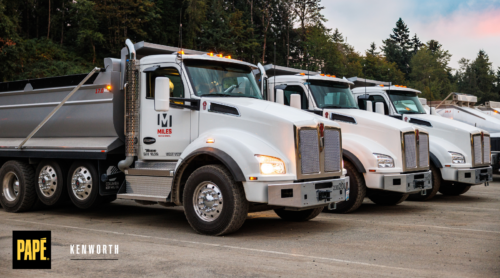



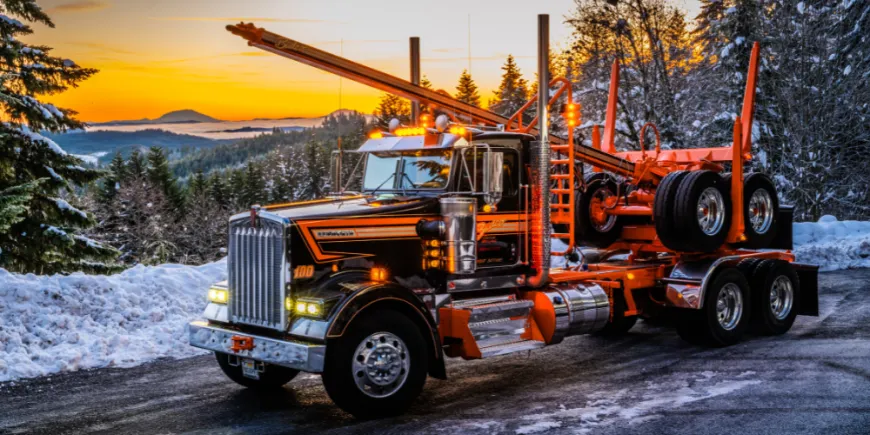
When you upfit a Kenworth vocational truck, you’re not just buying a vehicle; you’re building a tool your business will rely on every day. Upfitting is the process of taking that base Kenworth chassis and adding the proper body, equipment, and accessories so the truck is perfectly suited to the job.
The upfit you choose determines how productive, safe, and profitable that truck will be. Papé Kenworth’s vocational lineup is designed to be the foundation for hardworking, highly specialized equipment.
The key point many buyers don’t realize is that successful upfitting starts long before the truck shows up at the body builder. Planning, budgeting, staying within the trucks Gross Vehicle Weight Rating (GVWR), choosing the right upfitting partner, and being realistic about timelines are what separate a great vocational build from an expensive headache.
Start with the Vocation: Define the Job
Vocational trucks are designed around a single primary purpose or vocation: construction, utility, towing, delivery, municipal work, forestry, and more.
Before you spec a chassis, take time to clearly define how the truck will be used day in and day out. Working through these questions with your Papé Kenworth representative helps ensure the final configuration supports productivity, durability, and driver comfort.
- What industry and application will the truck support?
Is the unit dedicated to road construction, oilfield work, utility service, towing and recovery, refuse hauling, or municipal snow and ice control? - What payloads and tools will it carry every day?
Are you hauling aggregates, equipment, tools, parts, or materials—and how often does that load change? - What jobsite conditions will the truck face?
Will it operate off-road, navigate tight urban streets, handle steep grades, endure harsh winter weather, or spend long hours on the highway? - What do drivers need to work efficiently and safely?
How frequently are drivers entering and exiting the cab? Do they need extra storage, work lighting, PTO controls, or application-specific switches?
Answering these questions early creates a clearer path to the right chassis, upfit, and drivetrain—reducing compromises and helping your truck perform exactly as intended from day one.
Get the Foundation Right: Planning Around Specs and Gross Vehicle Weight Rating
Every vocational build has a hard limit: Gross Vehicle Weight Rating (GVWR). GVWR is the maximum legal, engineered weight of the truck and everything on it: chassis, body, fuel, tools, payload, and passengers. Exceeding GVWR can impact safety, braking performance, component wear, and regulatory compliance.
When you start bolting equipment onto a bare chassis, the weight adds up quickly:
- Body (dump, tank, flatbed, etc.)
- Cranes and outriggers
- Transfer fuel tanks
- Tool boxes and cab racks
- Ladder racks, winches, hitch kits
- Additional lighting, systems, and technology
That’s why key spec decisions need to be made before the order is placed:
- Axle configurations and ratings to support your heaviest realistic load
- Frame length and reinforcements to handle body and equipment stress
- Suspension and brakes sized for expected weights and duty cycles
- Powertrain choices tailored to stop-and-go city work, off-road sites, or high-mileage regional routes
Papé Kenworth sales and fleet support teams work with customers early in the process to model curb weight, anticipated upfit weight, and payload, leaving a safe margin under GVWR.
That upfront work helps you avoid costly rework later, such as relocating components, changing axles, or even reordering a chassis.
Common Vocational Upfits Papé Kenworth Can Support
Across Papé Kenworth facilities in California, Washington, Oregon, Nevada, and Alaska, our teams are expanding the upfitting we can support:
- Service body installs
- Cab rack and tool box installs
- Ladder racks
- Transfer fuel tanks
- Strobe light kits and work lighting
- Winches
- Hitch kits
Beyond installation, Papé Kenworth offers service and warranty support from many locations across the West, keeping your upfitted trucks productive day after day.
Choosing the Right Upfitting Partner
Not all upfitting partners are created equal, and experience with your vocation matters a great deal. A construction dump truck, an electrical utility service truck, and a municipal plow truck all place very different demands on a chassis and body.
When you evaluate upfitting partners, consider asking:
- Have you built trucks like this for similar applications before?
- How do you ensure the final build stays within GVWR and meets regulatory requirements?
- What warranties are offered on parts, labor, and installed equipment?
- How do you handle service and support if something needs adjustment or repair after delivery?
Papé Kenworth acts as a single point of contact that:
- Understands Kenworth vocational chassis inside and out
- Works with trusted body builders and accessory vendors
- Backs the finished truck with service and parts support
Plan Ahead, Upfit Smart, and Get More Out of Every Truck
Successful vocational truck upfitting doesn’t happen by accident. It depends on thoughtful planning, accurate budgeting, respect for GVWR limits, and choosing an experienced partner, well before you sign the order.
With realistic expectations around six-to-nine-month timelines, a clear understanding of how your truck will be used, and a structured quote and build process, you can put trucks to work that are safer, more productive, and better matched to your business.
Select an upfitting partner with expertise in your specific vocational needs to ensure the work is done correctly. Contact your local Papé Kenworth location and work with our experts to customize a vocational truck that’s ready for your business from day one.