


Harvest season asks a lot of a truck. Long days, repeated heavy loads, rural roads, dust, mud, and changing fall weather can put weeks of concentrated wear on equipment. That makes the weeks leading into harvest an important time to catch problems while the truck is still in the shop. A thorough inspection and a little planning can help crews spend more time hauling and less time dealing with unexpected repairs.
Prepare for the Work Ahead
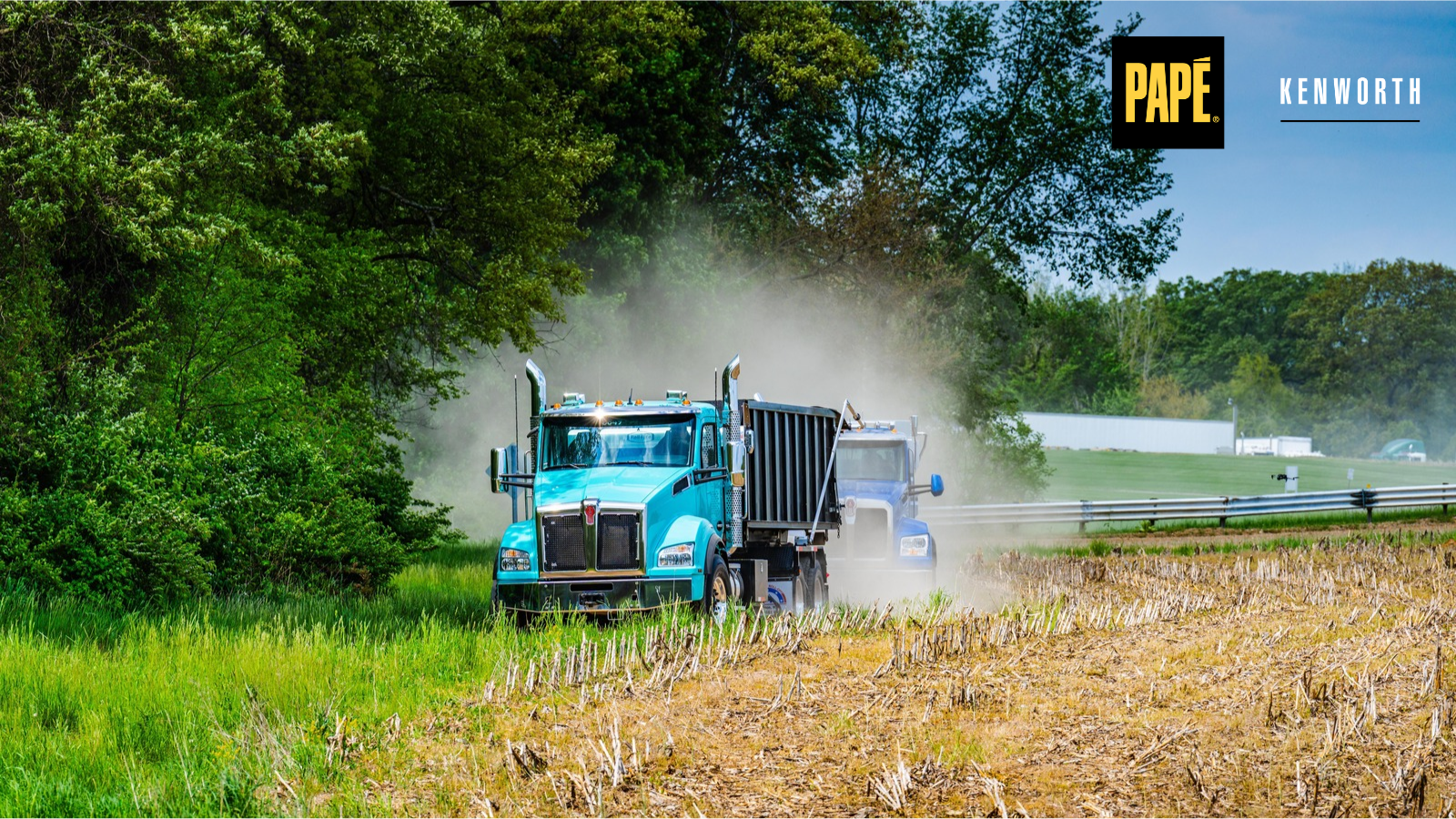
Start with the job the truck will actually be doing. A truck hauling agricultural commodities between fields, storage facilities, and processing locations may spend its days on a mix of pavement, gravel, and rough access roads. Frequent loading and unloading add another layer of wear, especially when the schedule stays busy for days or weeks at a time.
Before harvest ramps up, consider:
- Expected payloads and trip frequency
- Road and field conditions
- Trailer configuration
- Average route length
- Grades and elevation changes
- Hours the truck will operate each day
Those details should help guide pre-season maintenance and determine which components deserve the closest attention.
Give Load-Carrying Components a Close Look
Heavy seasonal hauling puts sustained pressure on the parts responsible for carrying, controlling, and stopping the load. Inspect suspension components, axles, wheel ends, fifth-wheel and coupling components, and trailer connections. Check for excessive wear, loose components, leaks, and anything else that could develop into a larger problem once the schedule gets busy.
Tires deserve extra attention. Check inflation, tread depth, sidewalls, casings, and wear patterns across the truck and trailer. Uneven wear may point to alignment or suspension issues that should be addressed before putting more miles on the truck. Brakes and air systems should receive the same level of attention.
Prepare the Powertrain for Long Days
Check engine oil, filters, coolant, belts, hoses, and fuel filters before the season starts. Look over transmission service intervals and inspect for leaks or components showing signs of wear.
Cooling systems are especially important for trucks climbing grades, operating at lower speeds, or spending extended periods under heavy loads. Check coolant condition and level, hoses, belts, radiator components, and other cooling-system hardware before daily temperatures and workloads begin to fluctuate.
Once harvest is underway, inspections should continue. Drivers can help identify problems early by monitoring tire condition, fluid levels, brakes, lights, and any changes in how the truck sounds, handles, or performs.
Make the Cab Ready for the Season
Driver comfort and visibility deserve a place on the pre-harvest checklist, too.
Fall brings darker mornings, earlier sunsets, rain, cooler temperatures, and fog. Make sure headlights, marker lights, mirrors, windshield glass, wipers, washers, HVAC, and defrost systems are ready for those conditions.

Seat position and controls should also be properly adjusted for the driver. Long days behind the wheel make a well-maintained cab especially valuable. That same focus on the driver environment is important in demanding vocational applications such as those handled by the Kenworth T880.
Schedule Maintenance Before Harvest Gets Busy
Once trucks are running load after load, finding time for maintenance gets harder.
Review each truck’s service history before the season and take care of upcoming preventive maintenance while the schedule still has some flexibility. Components approaching the end of their expected service life may also deserve attention before peak hauling begins.
During harvest, keep the maintenance process simple. Encourage drivers to report changes early, schedule inspections around available windows, and know where parts and service support are available along regular routes. It can also help to identify commonly needed truck parts ahead of time so routine repairs create less disruption during the busiest weeks.
Make Sure the Truck Fits the Job
Seasonal preparation can also reveal when the current truck configuration no longer matches the work.
A truck covering mostly highway miles has different needs than one regularly traveling rural roads and entering fields, farms, or storage facilities. Payload, trailer type, terrain, route length, maneuverability, and operating environment should all play a role when specifying equipment.
For fleets planning ahead, the Kenworth T680 is well suited to highway applications, while the Kenworth T880 brings a vocational platform designed for demanding jobs and challenging conditions. The right configuration should support the fleet during its hardest-working weeks, not just during an average day.
Keep Harvest Moving
Harvest schedules leave little room for downtime. Before hauling picks up, give tires, brakes, suspension, cooling systems, fluids, and powertrain components a thorough inspection. Take care of scheduled service early, and give drivers a clear process for reporting developing problems. At Papé Kenworth, our parts and service teams can help prepare your trucks for the demands of the season and keep them working when the schedule gets busy. Find a location near you to explore service options and get started today.