



Your truck is loaded and your route is set, but the forecast is predicting triple-digit heat. On days like that, every mile asks more of your equipment. Hot pavement, heavy payloads, steep grades, traffic, and long idle times all add stress to the systems that keep a truck safe and productive.
Daily inspections matter in every season, but heat waves raise the stakes. A tire that looked acceptable last week, a hose that felt slightly soft, or an A/C system that cooled slowly in the spring can turn into a far more costly roadside issue. A consistent summer inspection routine is one of the most effective ways to protect uptime.
Why Heat Waves Are So Hard on Trucks
High heat affects almost every major truck system. Engines have to work much harder to maintain safe operating temperatures. Tires build pressure as the day gets hotter; rubber components expand, soften, dry out, or crack; batteries face added strain as electrical loads increase; and brakes work harder during traffic, hauling, and downhill stretches.
Many summer breakdowns start as small warning signs: a coolant spot under the truck, uneven tread wear, belt squeals, weak airflow, or a slow crank.
Start with Tire Pressure Before the Road Starts Heating Up
Tire pressure should be one of the first checks of the day. For the most accurate reading, check pressure when tires are cool and before pavement temperatures start climbing. Heat naturally increases pressure as the truck runs, which makes a cold reading especially important for comparing against the manufacturer’s recommended PSI.
Underinflated tires can create extra heat, reduce fuel efficiency, and increase wear. Overinflated tires can affect handling, tractions, and tread contact.
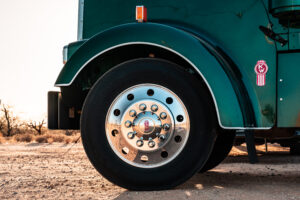
A quick tire inspection checklist should include:
- Check every tire, including inside duals
- Compare tires on the same axle for pressure differences
- Use a reliable gauge kept in the cab or service area
- Replace missing valve caps
- Avoid bleeding air from hot tires unless directed by a qualified technician
Inspect Tread, Sidewalls, Rims, and Valve Stems
Hot roads can make existing tire and wheel issues worse. During the walkaround, look closely at tread depth, wear patterns, sidewalls, rims, lug nuts, and valve stems. Cuts, bulges, embedded debris, exposed cords, cracks, and missing hardware all deserve attention before the truck leaves the lot.
Uneven tread wear may point to alignment, suspension, or inflation problems. Catching that pattern early helps maintenance teams solve the root cause. Drivers should also check for rubbing, heat damage, or rim cracks.
Check Coolant Levels and Watch for Signs of Overheating
Cooling system checks are essential during summer. Check the coolant level according to the manufacturer’s recommendations while the engine is cool. Look under the truck for leaks, scan visible hoses and fittings, and check the radiator area for debris that could restrict airflow.
Keep an eye on the temperature gauge. Warning lights, steam, unusual smells, repeated temperature spikes, or visible coolant loss should be reported immediately. Never remove a hot radiator cap. Pressure and heat can create a serious burn hazard.
Squeeze Belts and Hoses
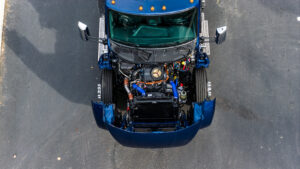
Belts and hoses absorb extra stress in extreme temperatures. Rubber components can become brittle, swollen, cracked, glazed, or loose as they age. A failing hose can cause coolant loss, while a worn belt can affect cooling, charging, power steering, or other critical systems.
During the daily inspection, check for:
- Soft, swollen, brittle, or cracked hoses
- Loose clamps or visible leaks around hose connections
- Frayed, cracked, glazed, or squealing belts
- Dried coolant residue near fittings
- Burning smells or signs of slipping components
Test the A/C Before the Day Gets Hot
Cab comfort is part of safe summer operation. A working A/C system helps drivers stay alert, focused, and prepared for long days in high temperatures. Test the system early, before the hottest part of the day, and watch for weak airflow, warm air, unusual noises, unpleasant odors, or intermittent cooling. Poor A/C performance can be tied to clogged filters, refrigerant leaks, failing fans, worn components, or electrical issues.
Check Batteries, Brakes, and Fluids
Summer heat can shorten battery life and expose weak connections. Look for corrosion, loose terminals, slow starts, warning lights, or signs that the battery is struggling under normal use.
Brakes also deserve close attention. Summer routes often include construction zones, heavier traffic, long grades, and heavier seasonal demand. Listen for noise, feel for vibration, and watch for pulling, reduced stopping power, or unusual pedal feel.
Round out the inspection by checking oil, DEF, power steering fluid, windshield washer fluid, and other daily fluid points listed for the truck.
Build a Daily Summer Inspection Routine
A good routine is repeatable. Start before the heat builds, add quick walkarounds during stops, and document issues early so maintenance teams can respond.
Use this order to keep the process simple:
- Check tire pressure, tread, rims, valve stems, and lug nuts
- Inspect belts, hoses, coolant level, and visible leaks
- Confirm oil, DEF, and other key fluid levels
- Test A/C performance before peak heat
- Watch gauges and warning lights throughout the route
- Report changes, smells, sounds, leaks, or performance issues right away
Consistency is what protects uptime. The same inspection, completed every day, helps drivers notice small changes before they become expensive failures.

Summer Service Support for the Hottest Miles
Daily inspections can catch many issues, but recurring problems require trained attention. Overheating, coolant loss, uneven tire wear, weak batteries, brake concerns, A/C problems, warning lights, and visible leaks should be inspected early.
At Papé Kenworth, we help drivers, owner-operators, and fleets prepare for demanding summer conditions with service, parts, inspections, repairs, and support across our regional network.
Before the next heat wave hits, schedule service or connect with your nearest Papé Kenworth location for summer inspection and maintenance support. A few proactive checks today can help keep your truck running strong through the hottest miles of the season.