


Peak logging season puts every part of a hauling operation under pressure. Heavy timber loads, rough access roads, steep grades, dust, heat, and long distances between service points expose small equipment issues quickly. A strong pre-season inspection gives fleets and owner-operators time to address wear, confirm truck and trailer readiness, and build a service plan before hauling schedules tighten.
Why Lumber Hauling Requires More Preparation
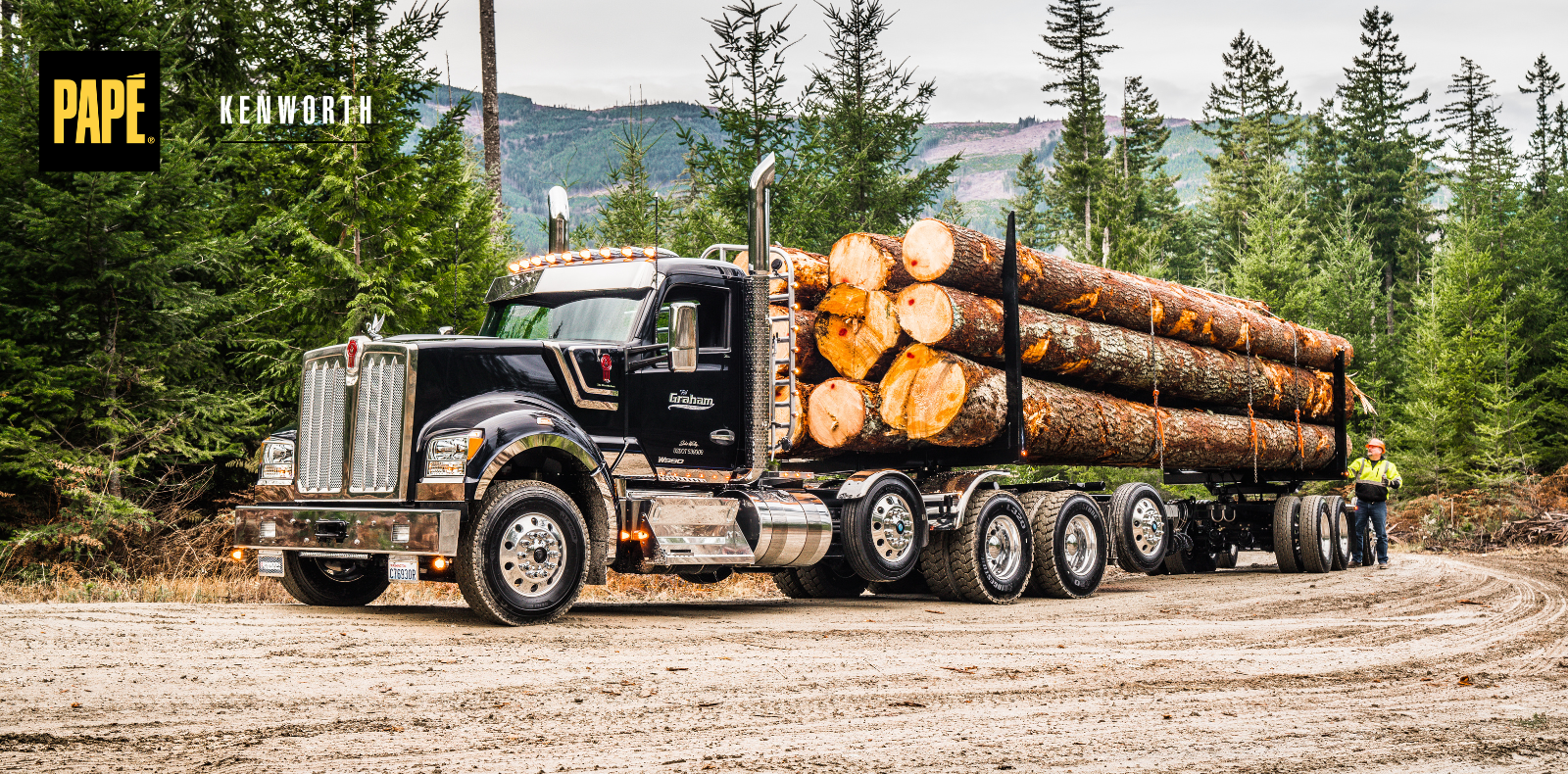
Logging trucks work in conditions that demand more than ordinary highway durability. That makes truck configuration especially important. Reinforced frames, heavy-duty suspension systems, suitable axle capacity, and the right drivetrain all contribute to stability and durability in forestry work. Kenworth vocational platforms are built with these demands in mind, giving logging operations options that can be matched to terrain, payload, and operating conditions.
Start Peak Season With a Thorough Mechanical Inspection
A detailed inspection before peak utilization can help catch wear before it turns into an unplanned stop. Give extra attention to systems that work hardest during loaded travel on rough roads and grades.
- Frame, Chassis, and Suspension: Inspect frame rails for cracks, damage, loose hardware, or signs of excessive stress. Check bushings, mounts, suspension components, and alignment. Uneven tire wear can also point to an alignment or suspension issue that deserves attention.
- Brakes and Air Systems: Loaded descents put heavy demands on braking systems. Inspect brake components, air lines, fittings, and compressor performance, and address leaks or changes in brake response before the truck returns to a full hauling schedule.
- Tires and Wheels: Check tread depth, inflation, sidewall condition, wheel hardware, and wear patterns. Logging trucks frequently transition between paved roads and rough forestry access roads, so dependable traction and sound tire condition are essential.
- Cooling System, Fluids, and Engine: Check coolant, hoses, belts, engine oil, transmission fluid, filters, and visible connections. Dust and debris can collect around cooling components, while small leaks or worn hoses can become larger problems under long hours and heavy loads.
Drivers should also flag warning lights, new vibrations, unusual noises, changes in handling, or shifts in braking performance. Early reporting gives the maintenance team a better opportunity to schedule repairs around production and reduce reactive downtime.
Inspect the Equipment That Secures the Load
Preparation extends beyond the tractor. Log-hauling equipment and trailers need the same level of attention before the busiest weeks begin.
Inspect bunks, stakes, bolsters, mounts, and other load-support components for damage, deformation, or excessive wear. Review chains, binders, cables, straps, and other securement equipment used by your operation. Replace damaged or worn components and organize securement gear so drivers can access it easily in the field.
Trailer air lines, wiring, lights, connectors, suspension components, tires, and brakes should also be checked. Rough roads, debris, and repeated loading can create damage that is easy to miss during a fast daily walkaround.
Match the Truck to the Load and Terrain
Peak season is also a useful time to evaluate how well each truck fits the work assigned to it. Axle configuration and capacity, suspension, frame strength, engine and drivetrain choices, typical payload, terrain, and maneuverability influence how effectively a truck handles logging applications.
The Kenworth T880 is well suited to vocational and forestry applications, with a customizable heavy-duty platform, available front axle capacity up to 22,000 pounds, rear axle capacity up to 52,000 pounds, strong visibility, and power options designed for demanding work. For severe-duty and off-highway applications, the Kenworth C580 adds another option for high payloads and rough terrain.
Prepare the Driver and the Route
Once hauling ramps up, consistent pre-trip inspections help keep small changes visible. Drivers should check brake response, tires and wheels, lights, air lines, wiring, fluid levels, trailer connections, and load-securement equipment before heading out.
Route preparation matters too. Review logging-road conditions, grades, fuel opportunities, communication coverage, and service options along regular runs. Remote hauling becomes easier to manage when drivers know where support is available and what steps to follow if a mechanical issue develops.
Build Parts and Service Into the Peak-Season Plan
Pre-season preparation should continue after the first loads move. Fleets can protect uptime by planning service intervals, addressing recurring issues promptly, and keeping commonly needed wear items within reach.
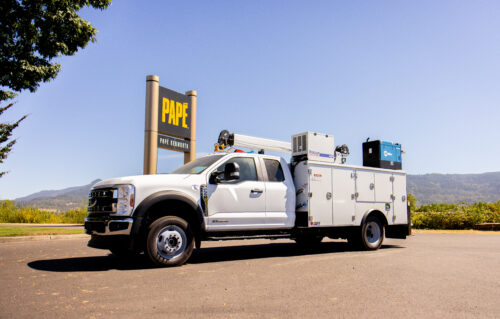
At Papé Kenworth, we support logging fleets with all-makes parts inventory, genuine OEM PACCAR and TRP parts, and service support across our regional network. Factory-trained technicians provide maintenance and diagnostics in the shop and in the field.
A planned repair is easier to work into a schedule than an unexpected breakdown during a busy hauling week. Reviewing service resources along your regular routes can also give dispatchers and drivers a clearer response plan when a truck needs attention away from the yard.
Keep Your Logging Fleet Moving
Peak lumber hauling rewards preparation. Inspect the truck, review logging-specific equipment, confirm the configuration fits the work, and build parts and service into the season before schedules fill up.
If your logging fleet needs preventive service, replacement parts, or another truck for the workload ahead, contact your local Papé Kenworth team. We can help you prepare for the season and keep your operation moving when every load counts.