


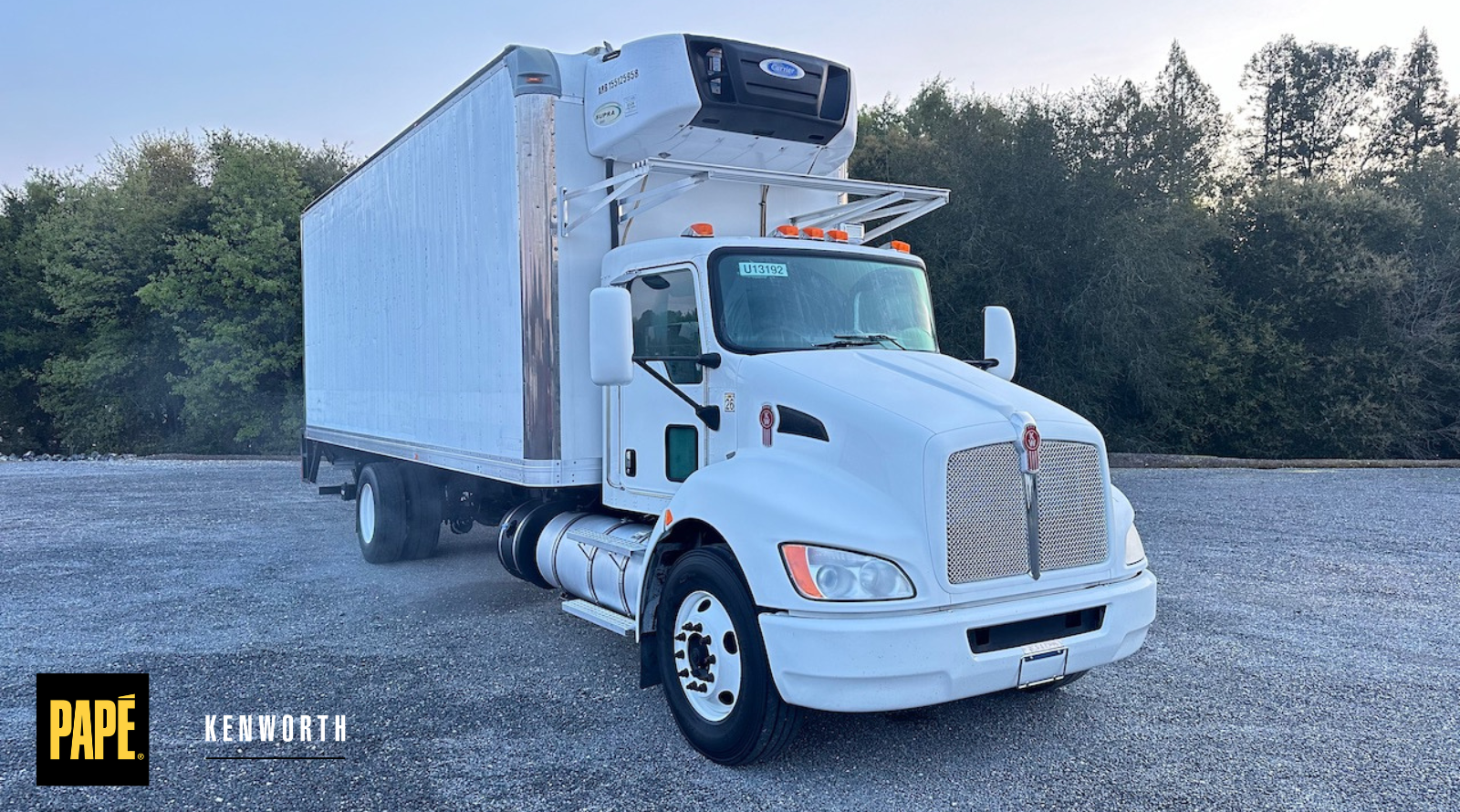
Refrigerated trucks ensure fresh produce reaches grocery store shelves, dairy products arrive ready for coolers, and meat, seafood, flowers, beverages, and pharmaceuticals reach their next stop at safe, optimal temperatures. These refrigerated trucks, also known as “reefer trucks,” are built for steady temperatures, reliable routes, and sensitive cargo. For fleets across the West, the right Kenworth supports the cold chain while protecting uptime, fuel efficiency, and long-term operating costs.
What is a Reefer Truck?
A refrigerated, or reefer, truck is a commercial truck with an insulated cargo body and refrigeration system designed to maintain a set temperature range during transport. Depending on the setup, it may carry chilled, frozen, or otherwise temperature-sensitive freight.
The goal is consistency. For sensitive cargo, temperature swings can affect quality, satisfaction, and compliance.
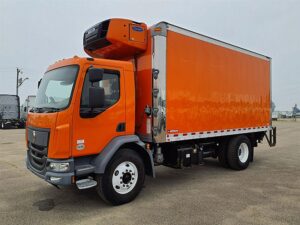
A refrigerated truck relies on a variety of systems working together. Good refrigerated performance depends on daily habits and routine preventive maintenance. Door seals, latches, loading practices, and route planning all affect how well the body holds temperature.
What Do Reefer Trucks Haul?
Refrigerated trucks serve a wide range of industries. Common cargo includes:
- Meat, seafood, and poultry
- Dairy
- Fresh produce
- Frozen foods
- Beverages
- Flowers and other nursery products
- Pharmaceuticals and medical supplies
- Catering, restaurant, grocery, and convenience store deliveries
These trucks support local delivery, regional distribution, and longer highway hauls.
Start with the Route
Route type is one of the first questions to answer. For city and metro delivery, look for tight turning radius, visibility, stop-and-go performance, maneuverability, and driver comfort.
Cabover designs, like the Kenworth K270, can be strong options for tight streets, busy docks, and frequent urban deliveries. Their compact design saves space, while wide visibility supports drivers in active delivery environments.
For regional and highway routes, priorities can shift to fuel efficiency, driver comfort, power, towing capacity, and long-haul reliability.
Why the Right Model Matters
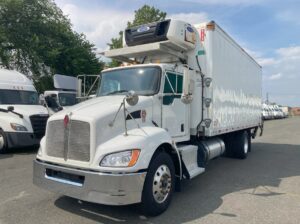
Refrigerated truck bodies add weight and complexity. The truck has to support the cargo body, refrigeration system, payload, route, and driver’s daily workload. Too little payload capacity can limit safe hauling. Limited maneuverability can slow city routes. Poor visibility can make tight delivery areas harder to navigate.
A truck that works too hard may use more fuel and require more service. A breakdown can put the delivery schedule and the cargo itself at risk. A properly matched refrigerated truck helps support uptime, profitability, product quality, and driver confidence.
Match the Truck to the Cargo
The cargo should guide the truck’s configuration, along with the full delivery process.
Key questions include:
- What temperature range does the cargo require?
- How much does a full load weigh?
- How often will doors open during the route?
- Will the body need partitions, shelving, liftgates, or multi-temperature zones?
- How far is the average delivery?
Maintenance, Uptime, and Fleet Planning
Success with refrigerated trucks depends on the spec and ongoing care. Before loading, test the temperature controls and allow the body to reach the proper range. Inspect door seals, hinges, and latches. Keep airflow paths clear. Watch for warning lights, inconsistent cooling, or body damage.
Maximize your uptime with Papé Kenworth – your vendor for parts, service, rental, and equipment needs. Our knowledgeable and experienced factory-trained technicians are ready to meet your service needs when you need it – in the shop or out on the road.
Keep Your Cold Chain Moving
Refrigerated trucks are vital to transportation, but choosing the right one takes planning. The truck, cargo body, refrigeration system, payload, and service plan should all work together.
Need a refrigerated truck for your next route, season, or fleet expansion? Connect with your local Papé Kenworth team to explore options built to keep temperature-sensitive cargo moving.